5 Reasons Your Botox May Be Wearing Off Faster Than Expected (And What You Can Do About It)
One of the most common questions we hear in the clinic is:
"My Botox only lasted two months."
Or:
"My movement is already coming back. Does that mean my Botox is gone?"
The truth is, before we talk about why Botox may appear to wear off faster, it's important to understand what Botox is actually supposed to do.
First, Let's Talk About What "Lasts 3–4 Months" Actually Means
One of the biggest misconceptions surrounding Botox is what providers mean when they say it "lasts 3–4 months."
Many patients hear that and assume they'll be completely frozen for the entire 3–4 months.
That's not actually how Botox works.
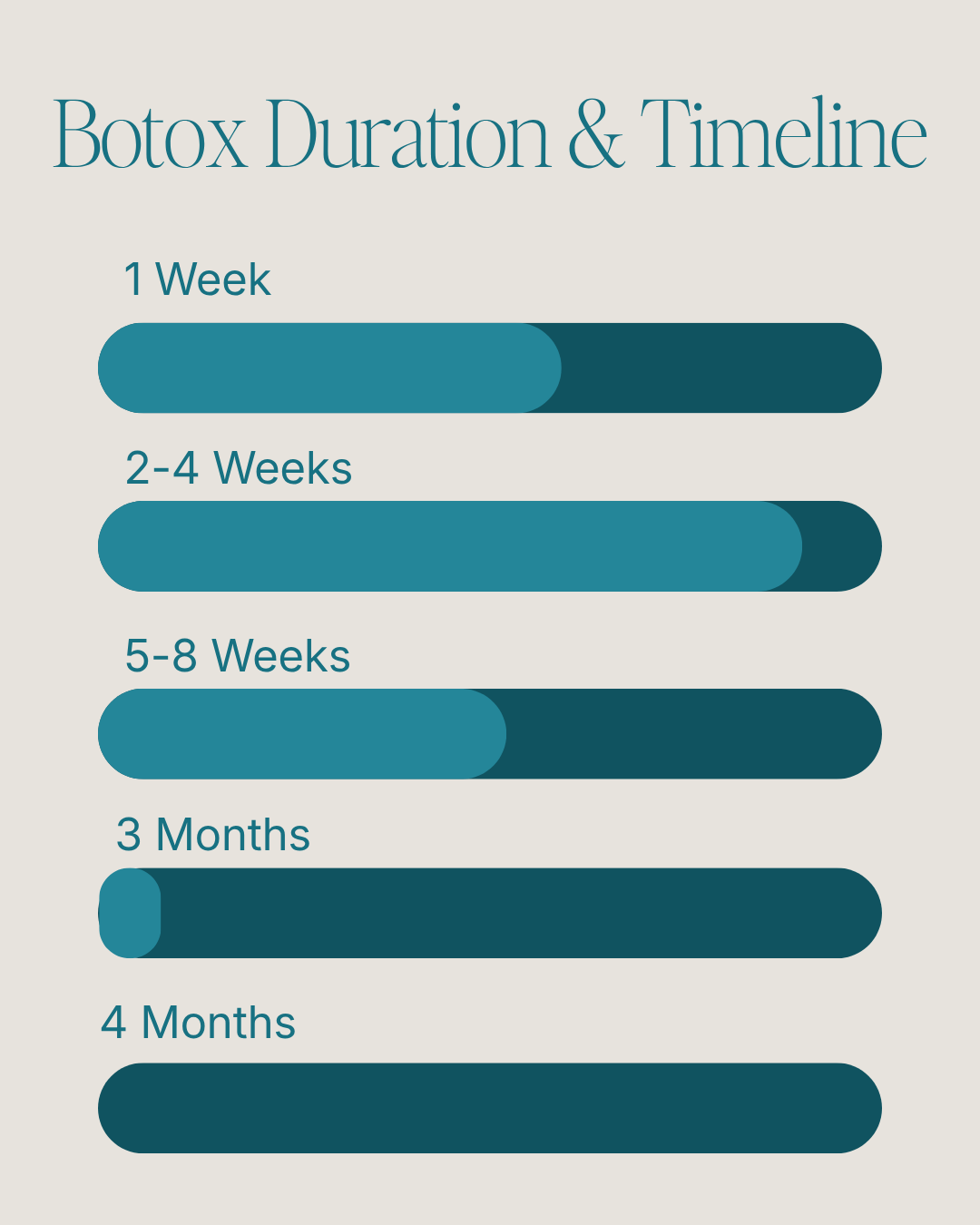
After treatment, Botox gradually begins working over the first 14 days. This is why we always tell patients to wait the full two weeks before assessing their final result.
Around the 14-day mark, you're seeing the peak effect of your treatment.
From there, your results don't simply stay the same for four months and then disappear overnight.
Instead, Botox gradually softens over time.
For many patients, some movement begins returning around weeks 5–8. This doesn't mean your Botox has worn off or stopped working. It simply means your muscles are gradually regaining activity, which is completely normal.
Think of Botox like a dimmer switch rather than an on/off switch.
The treatment gradually reaches its peak, maintains its effect, and then slowly tapers off over time.
By the time you reach months 3–4, most patients are noticing more movement than they did at their peak result, but they still typically have softer lines and less muscle activity than they had before treatment.
This is why we encourage patients not to judge their results solely based on when movement starts returning.
Movement returning does not mean your Botox is gone.
In fact, a natural amount of movement is often part of a beautiful, balanced result.
The goal isn't to look frozen forever. The goal is to soften lines, reduce unwanted muscle activity, and create a refreshed appearance that still looks like you.
Now that we've cleared that up, let's talk about some of the reasons your Botox may not be lasting as long as you'd like.
1. You Have A Fast Metabolism
Just like people metabolize caffeine, medications, and food differently, Botox can also be processed differently from person to person.
Patients who are highly active, exercise frequently, or naturally have a faster metabolism may find their results don't last quite as long as someone else's.
This doesn't mean your treatment didn't work.
It simply means your body may break down the product more quickly than average.
The good news? This is something your injector can account for when planning future treatments.
2. Your Muscles May Be Stronger Than Average
Some patients naturally have stronger, more active muscles, particularly in areas such as the frown lines, forehead, and crow's feet.
If your muscles are working harder throughout the day, it's possible they may begin to regain movement sooner than someone with less muscle activity.
This is especially common in:
● Patients with very expressive facial movements
This is one reason treatment plans should never be the same for everyone.
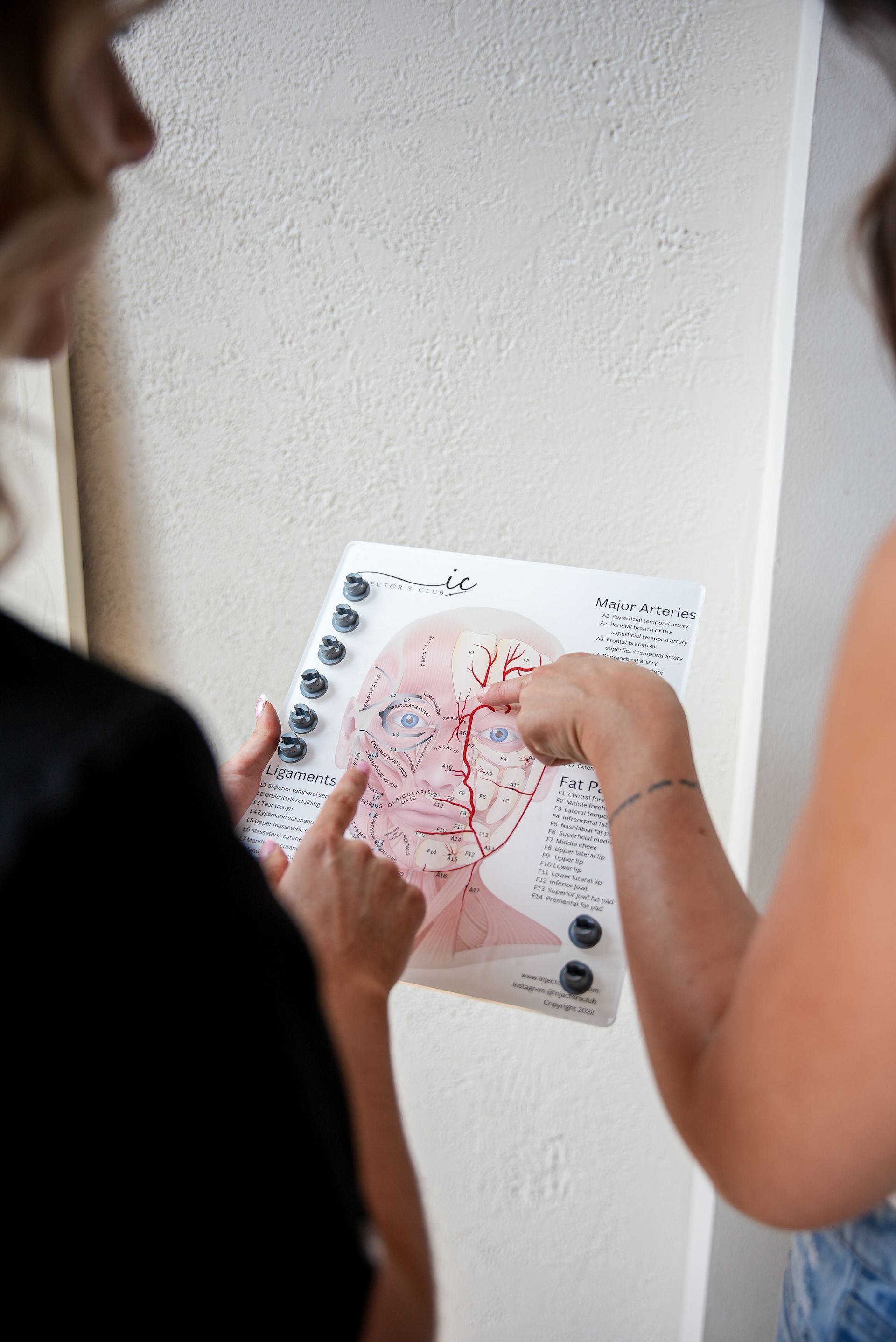
Your treatment should be customized to your anatomy, your goals, and how your muscles function.
3. You May Need A Dose Adjustment
One of the biggest misconceptions we hear is that everyone should receive the same number of units.
The reality is that the appropriate dose depends on your muscle strength, anatomy, treatment goals, and previous response to treatment.
Sometimes what appears to be Botox wearing off early is actually a sign that your treatment plan needs a slight adjustment.
A small increase in units can sometimes improve both the quality and longevity of your results.
This is why follow-up assessments are so important (14–21 days after initial treatment).
This allows your injector to evaluate how you responded and make recommendations for future treatments.
4. Lifestyle Factors Can Play A Role
While lifestyle doesn't completely determine how long your Botox lasts, it can influence how your skin looks and how refreshed you feel between appointments.
Factors that can contribute include:
● High stress levels
● Poor sleep habits
● Smoking
● Excessive sun exposure
● Inconsistent skincare routines
This is one of the reasons we often talk about Botox as part of a larger treatment plan rather than a standalone treatment.
Professional skincare, daily sunscreen, healthy habits, and regular maintenance treatments all work together to help you maintain your results.
5. You May Be Comparing Your Results To Someone Else's
This one happens all the time.
● A friend tells you her Botox lasts five months.
● Someone on social media says they only need treatment twice a year.
● Another person says they barely have movement after four months.
The reality is that everyone's anatomy, muscle strength, metabolism, lifestyle, aesthetic goals, and treatment plan are different.
Comparing your Botox results to someone else's is like comparing your skincare routine, fitness goals, or hair colour appointments. What works for one person may not work for another.
Your treatment plan should be based on your face, not someone else's.
That's why consultations, follow-ups, and treatment plans are so important!


What We Tell Our Patients
One of the biggest misconceptions about Botox is that it should last exactly the same amount of time for every person.
The reality is that longevity can vary based on:
● Your metabolism
● Muscle strength
● Treatment area
● Number of units used
● Lifestyle factors
● Individual anatomy
This is why personalized treatment plans matter.
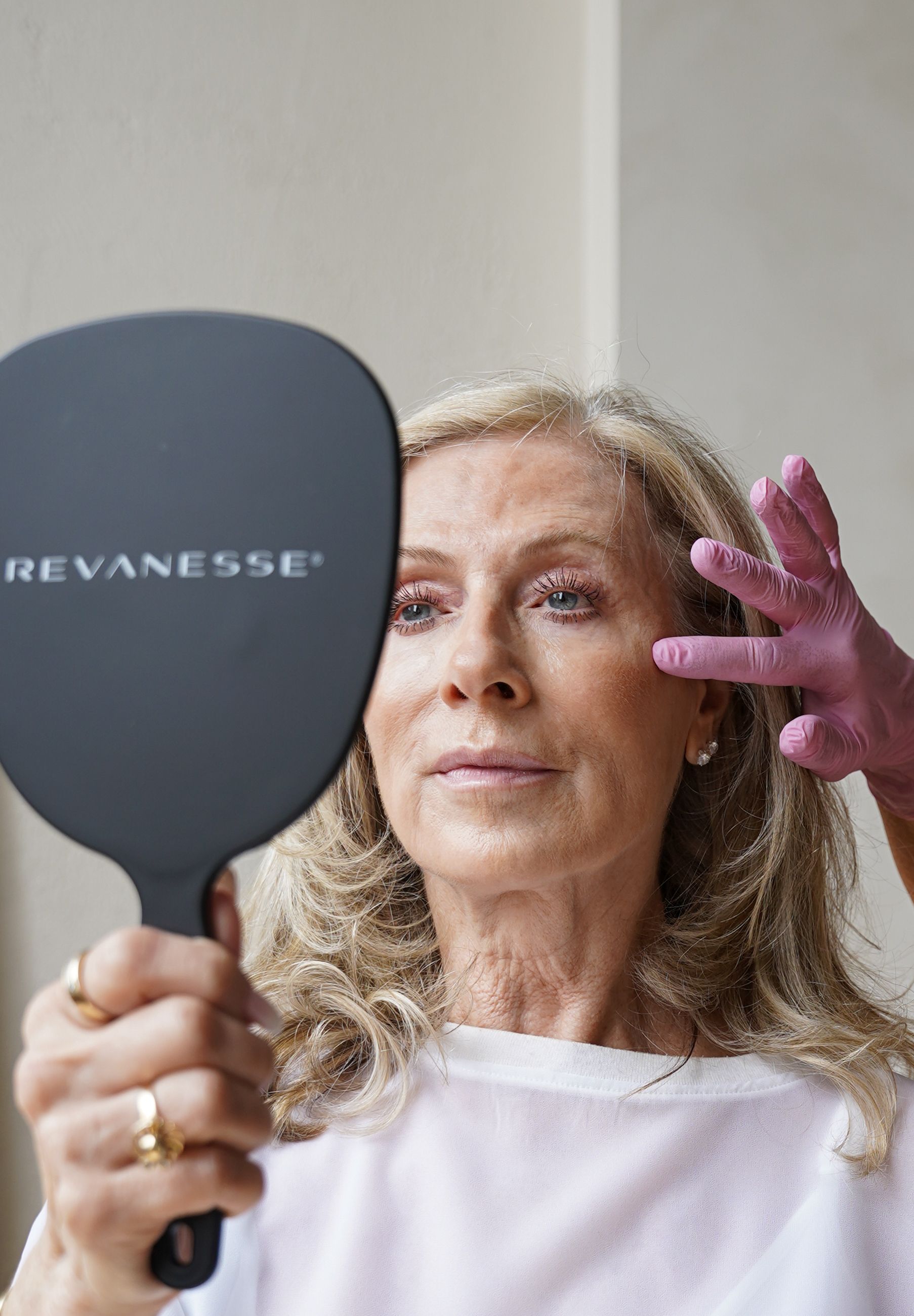
Rather than comparing your results to a friend, family member, or something you saw online, it's always best to discuss your concerns directly with your injector.
The Bottom Line
If your Botox seems to be wearing off faster than expected, don't panic.
In most cases, there is a reasonable explanation and often a simple solution.
Most importantly, remember that movement returning does not mean your Botox has stopped working.
Botox is designed to gradually soften over time. In many cases, patients continue to benefit from treatment long after movement starts to return.
If you've noticed your Botox isn't lasting as long as you'd like, we'd be happy to assess your results, answer your questions, and discuss your options during your next visit.
Whether you're completely new to injectables, considering Botox for the first time, or are an existing patient looking to optimize your results, a consultation is often the best place to start. During your consultation, we'll review your concerns, assess your muscle movement and anatomy, discuss your goals, and create a personalized treatment plan designed specifically for you.
Frequently Asked Questions
How long should Botox last?
Most patients experience results for approximately 3–4 months, although this can vary depending on metabolism, muscle strength, treatment area, and individual anatomy.
Is it normal for movement to come back after a few weeks?
Yes. Many patients begin to notice some movement returning around weeks 5–8. This is completely normal and does not mean your Botox has fully worn off.
Can exercise make Botox wear off faster?
Patients with very active lifestyles and faster metabolisms may notice slightly shorter treatment longevity, although exercise itself is not harmful to Botox results.
Does needing more units mean Botox isn't working?
Not at all. Some patients naturally have stronger facial muscles and require a strategic treatment plan to achieve optimal results.
Is it normal to have some movement before my next appointment?
Absolutely. Botox gradually softens over time, and some movement returning before your next treatment is completely normal. Many patients notice movement starting to return around weeks 5–8, but this does not mean the treatment has stopped working. We typically recommend waiting until around the 3.5 to 4-month mark to assess your true baseline and determine whether it's time for another treatment.
What should I do if my Botox isn't lasting as long as I'd like?
Schedule a follow-up with your injector. In many cases, small adjustments to your treatment plan can improve both the quality and longevity of your results.